


Véritable terre de contrastes
Haute Provence, le cœur des Alpes de Haute-Provence ! Entre montagnes et champs de lavande, cette ville thermale offre une expérience inoubliable.
 Notre coup de


Les incontournables
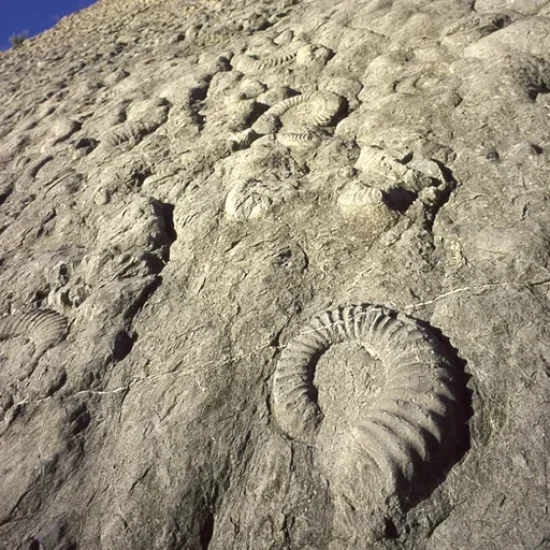

 Notre coup de
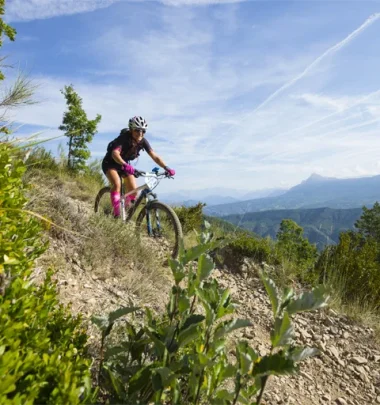
Nos séjours sport


Tout pour bien s'organiser
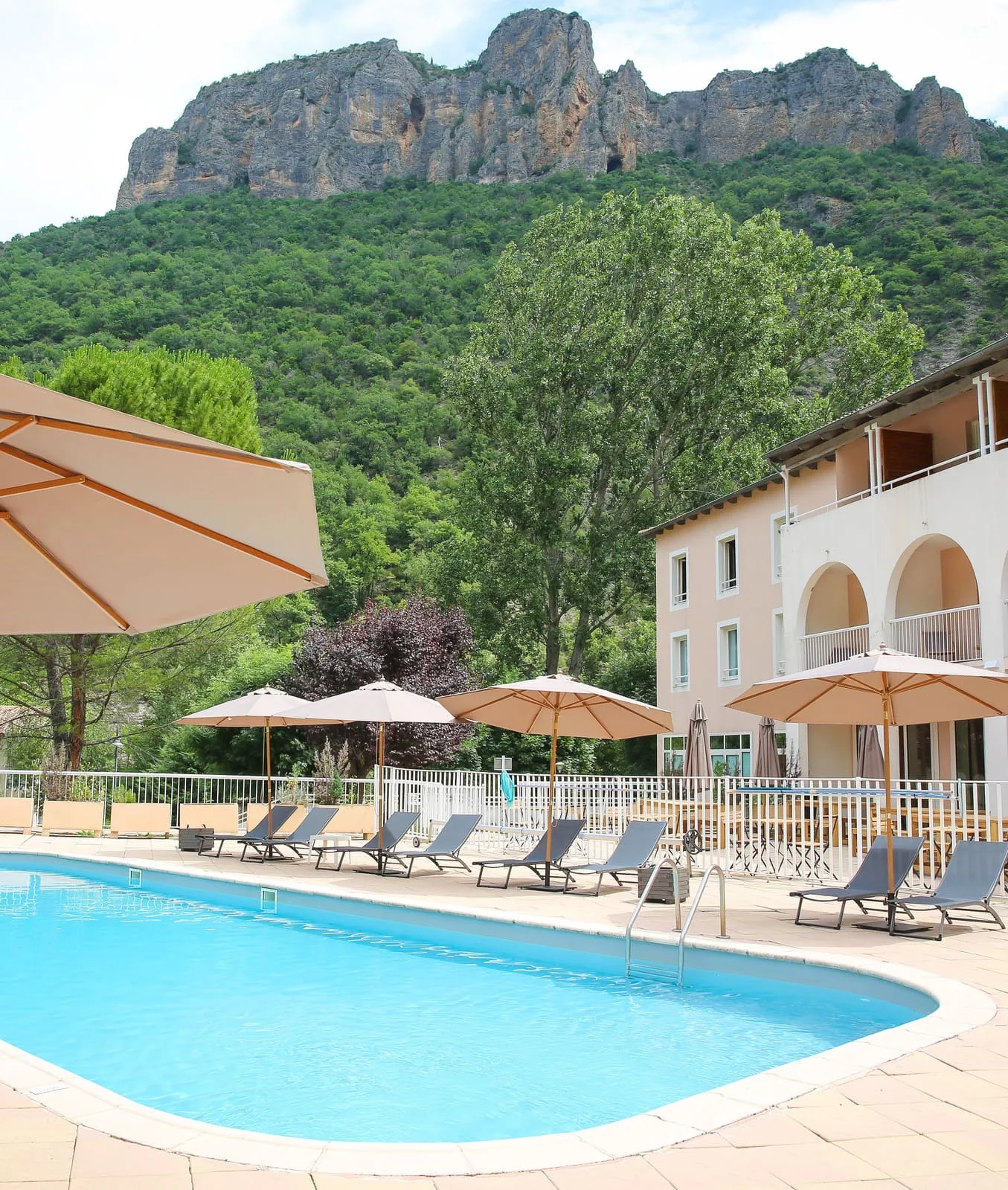
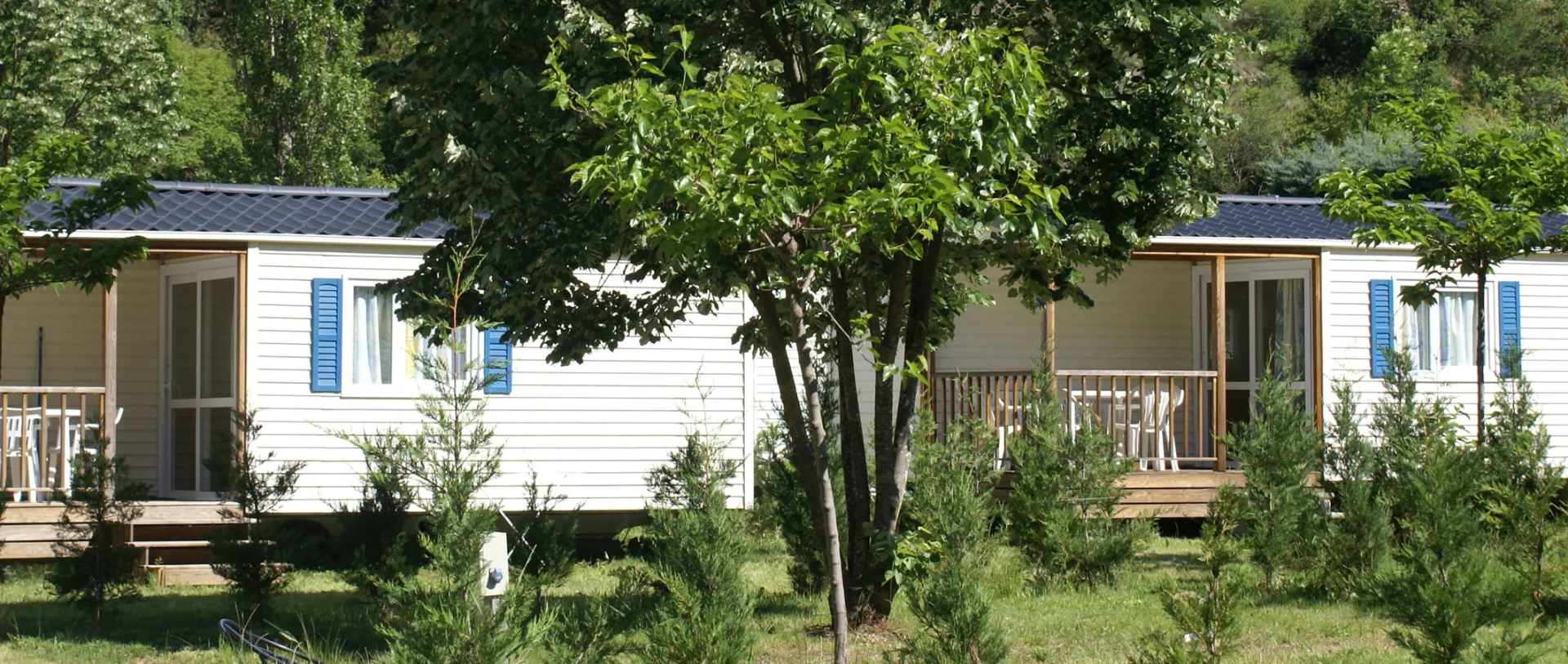
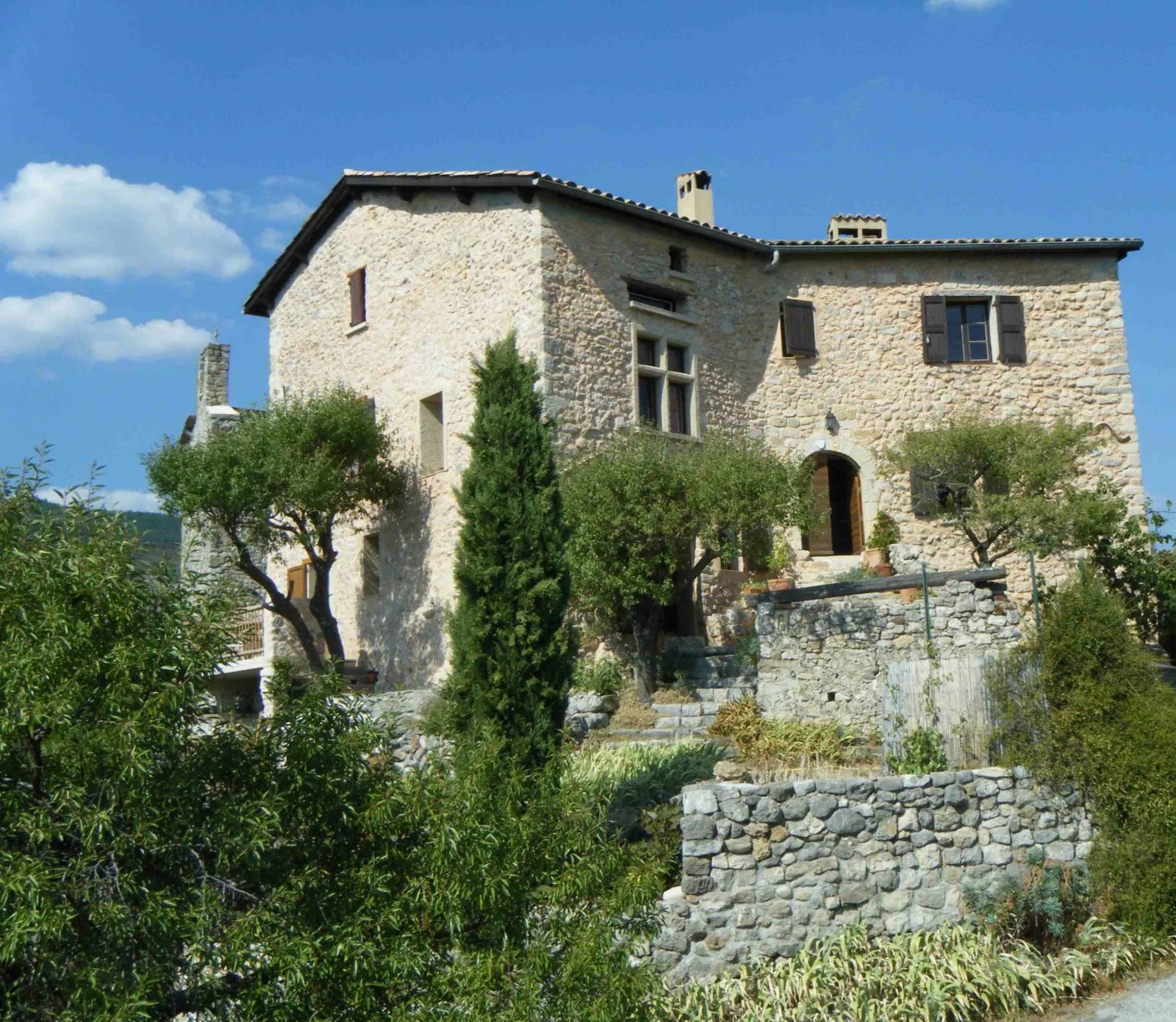
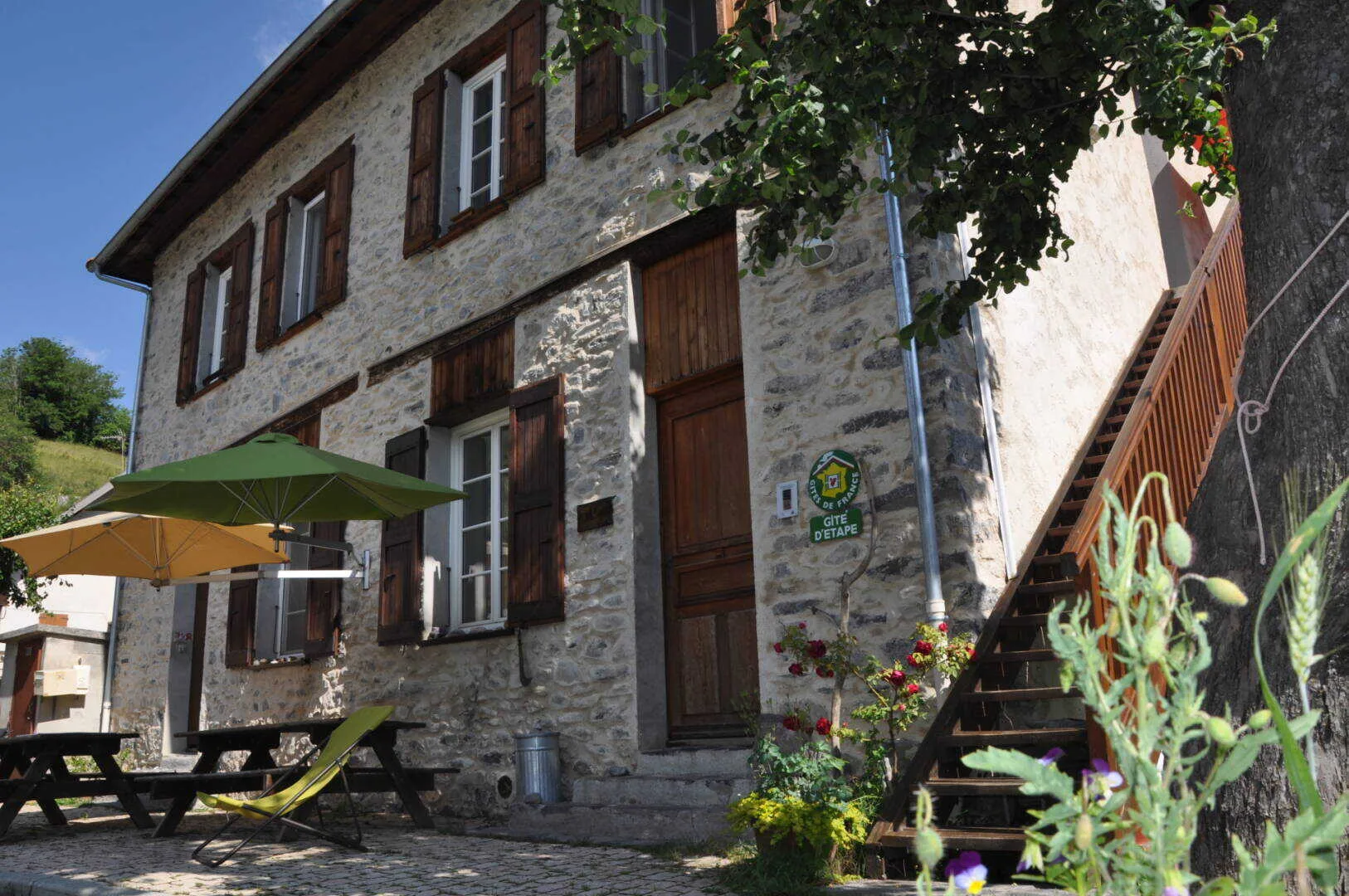
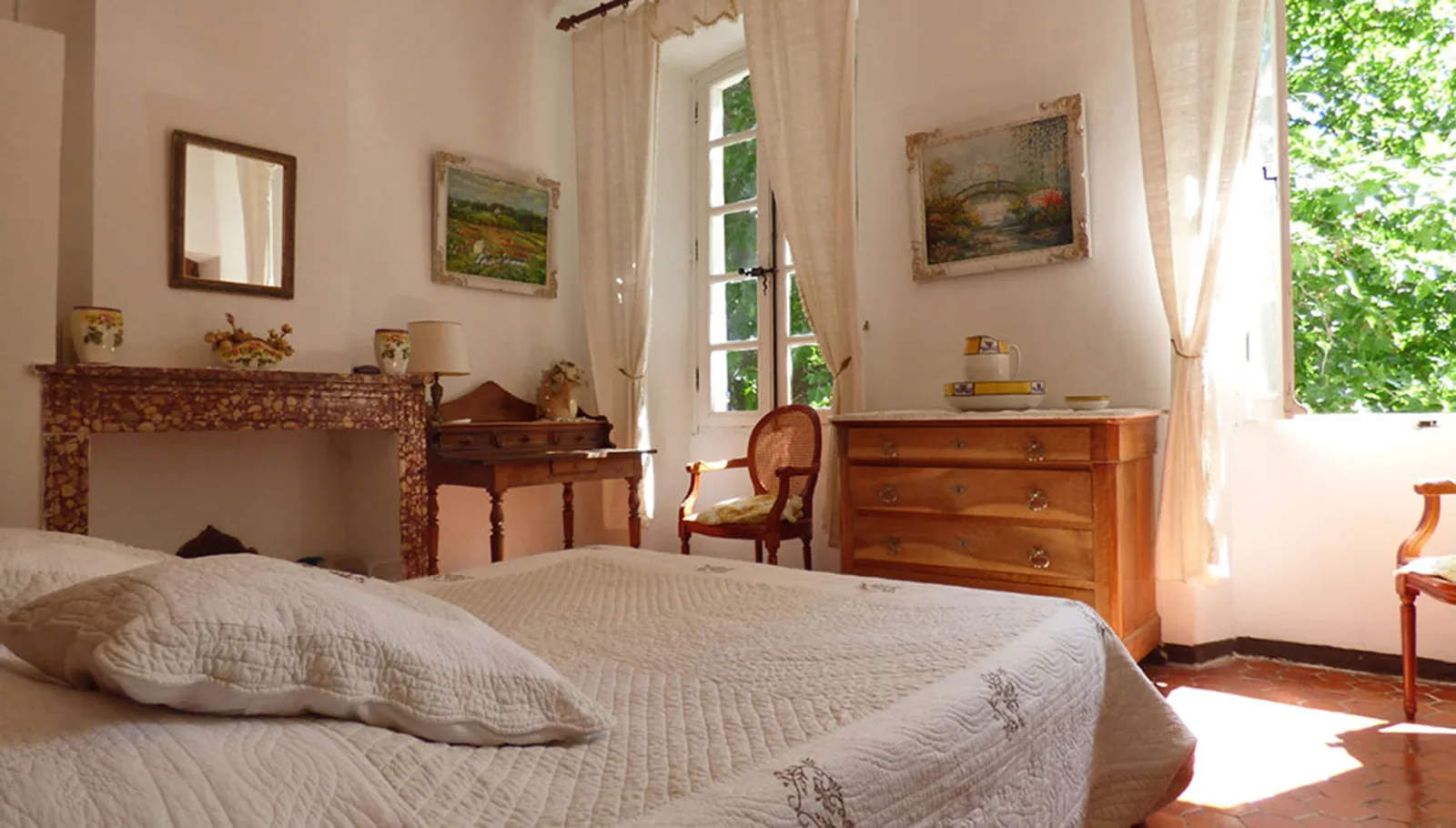
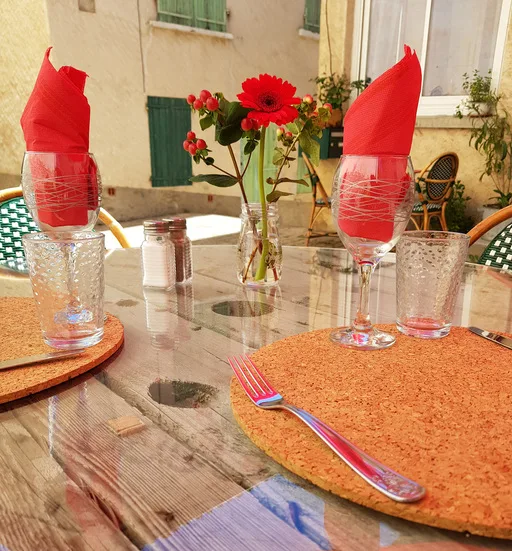
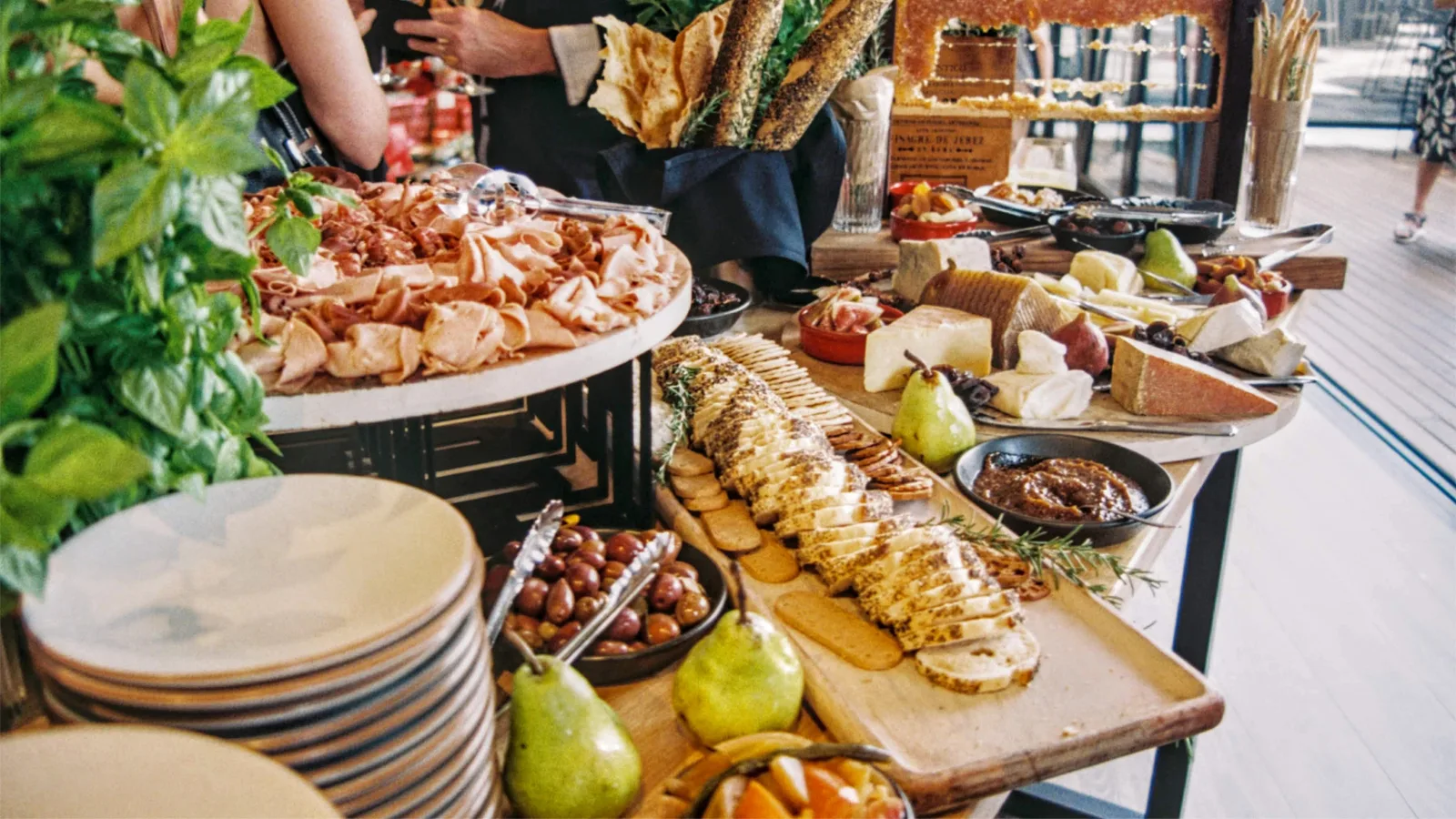
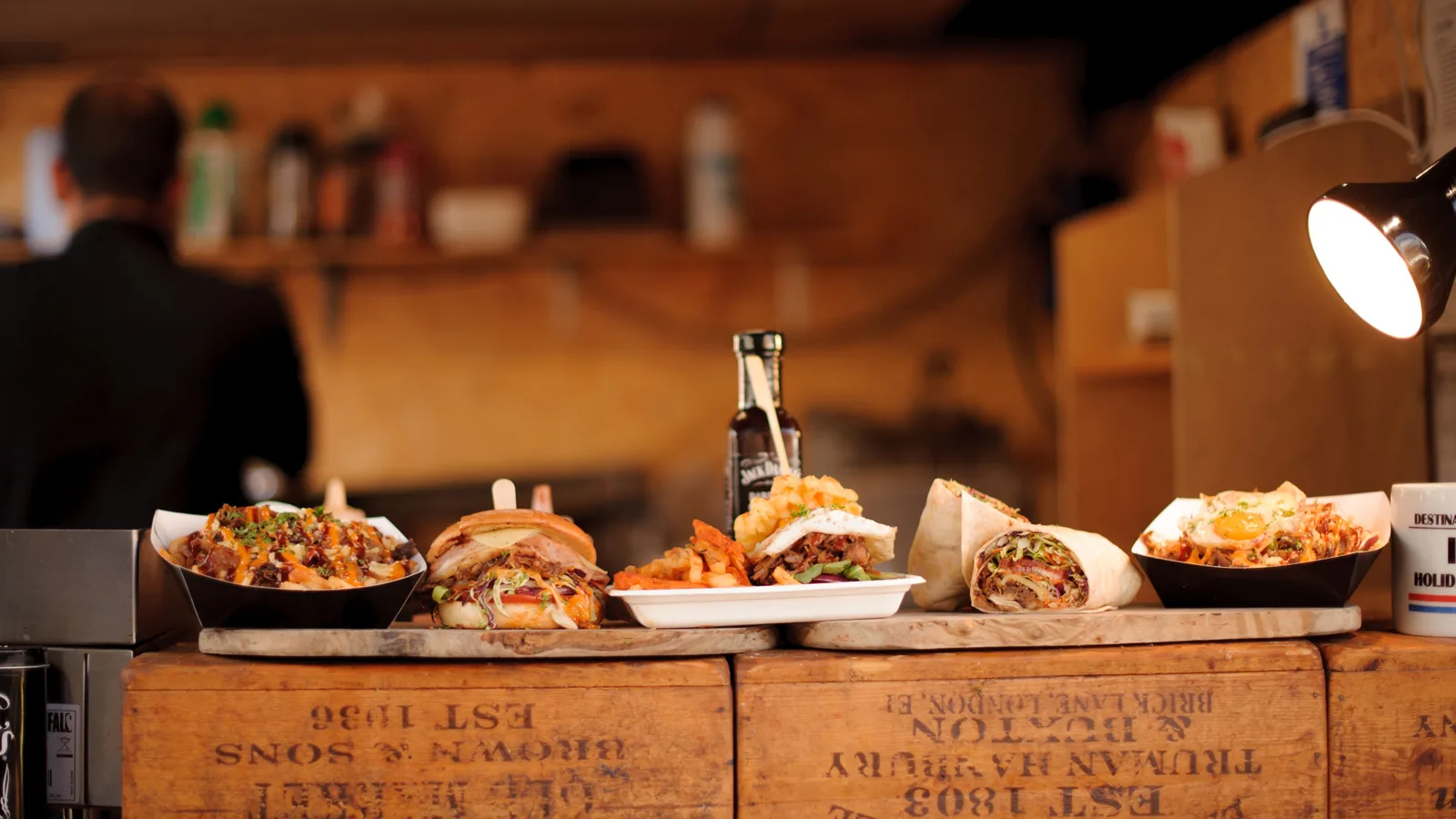
Profitez d'une large sélection d'hébergements et de restaurants, explorez les sites naturels, et laissez-vous tenter par des activités sportives et culturelles riches en émotions.
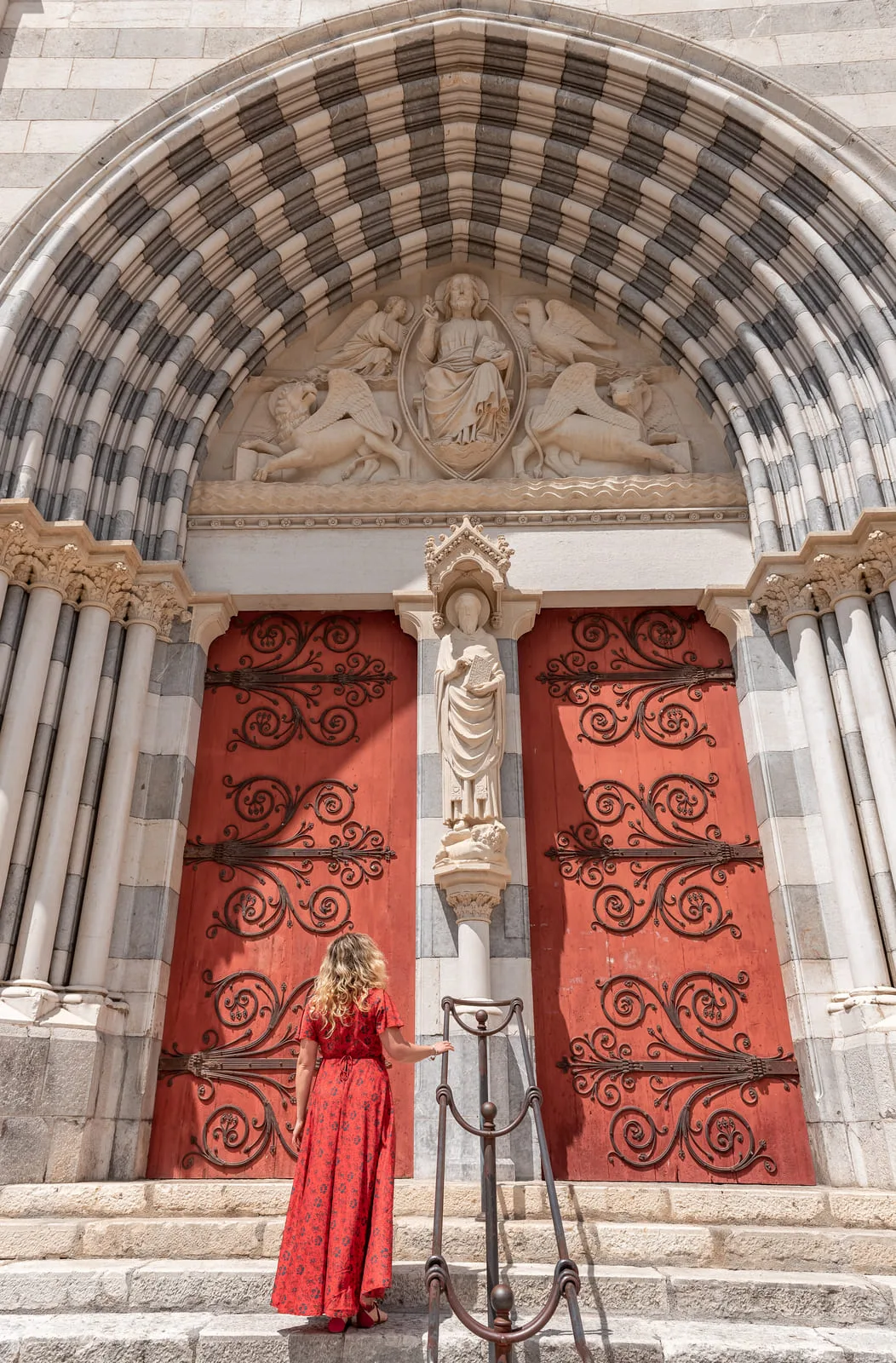

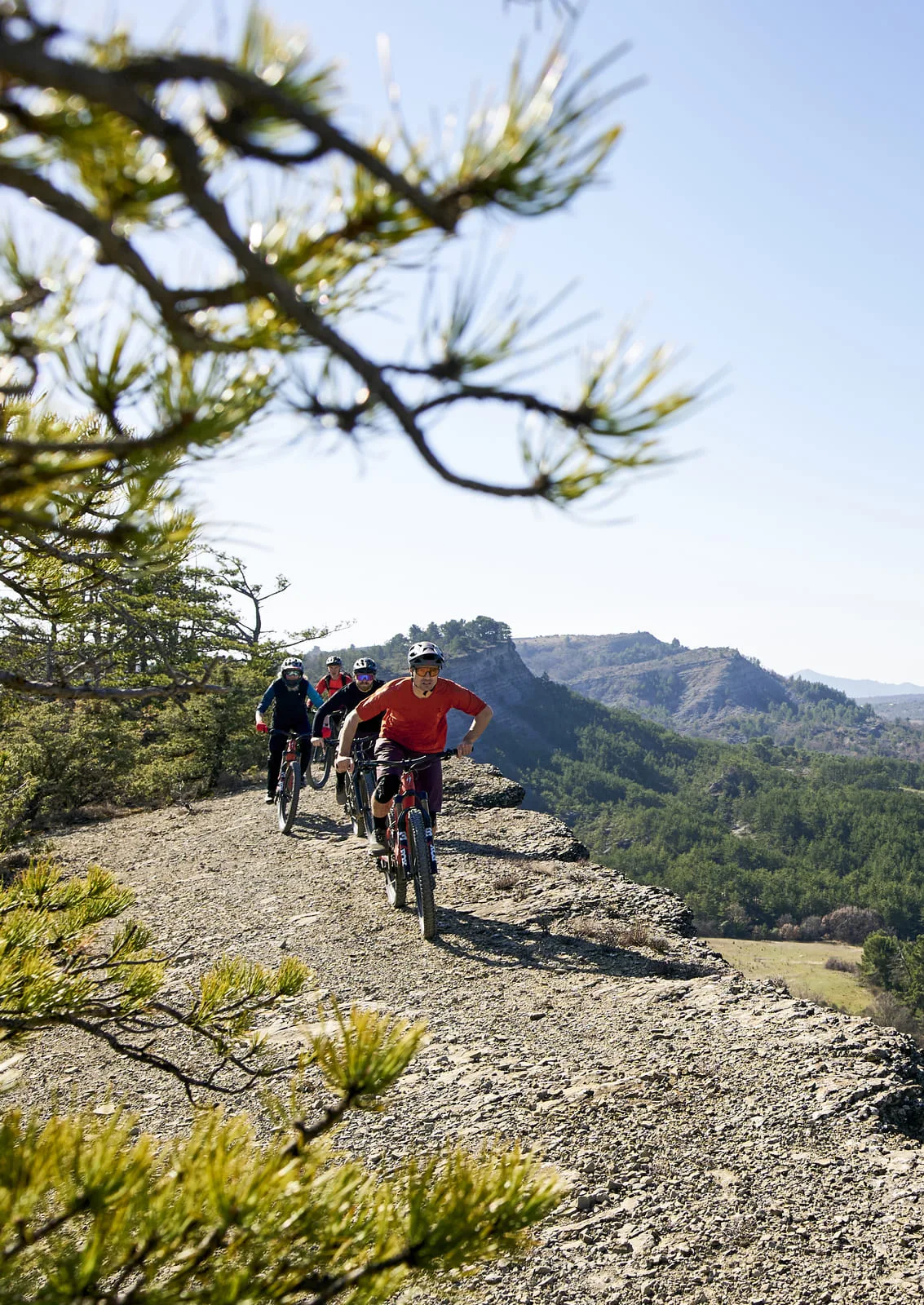
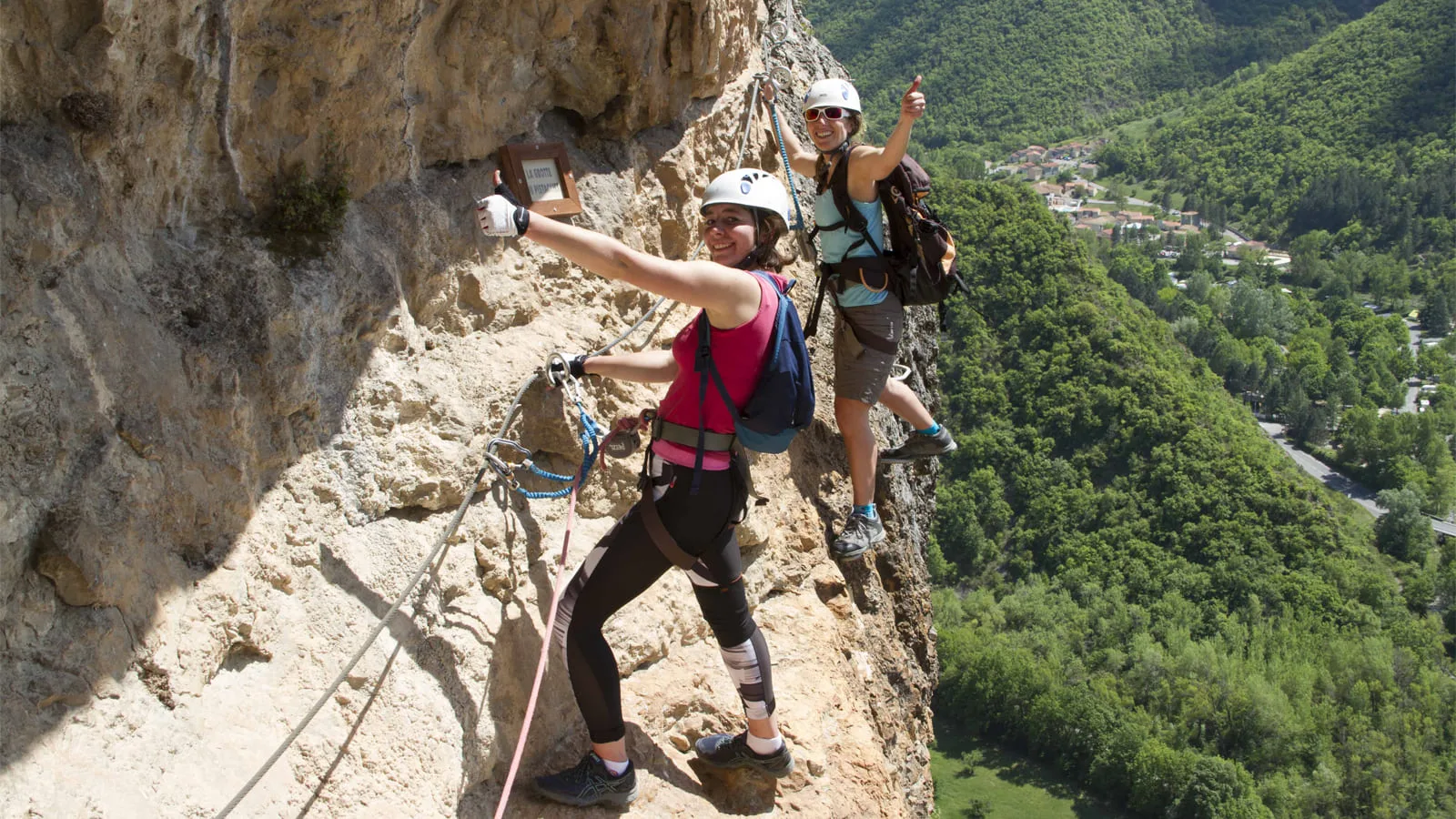
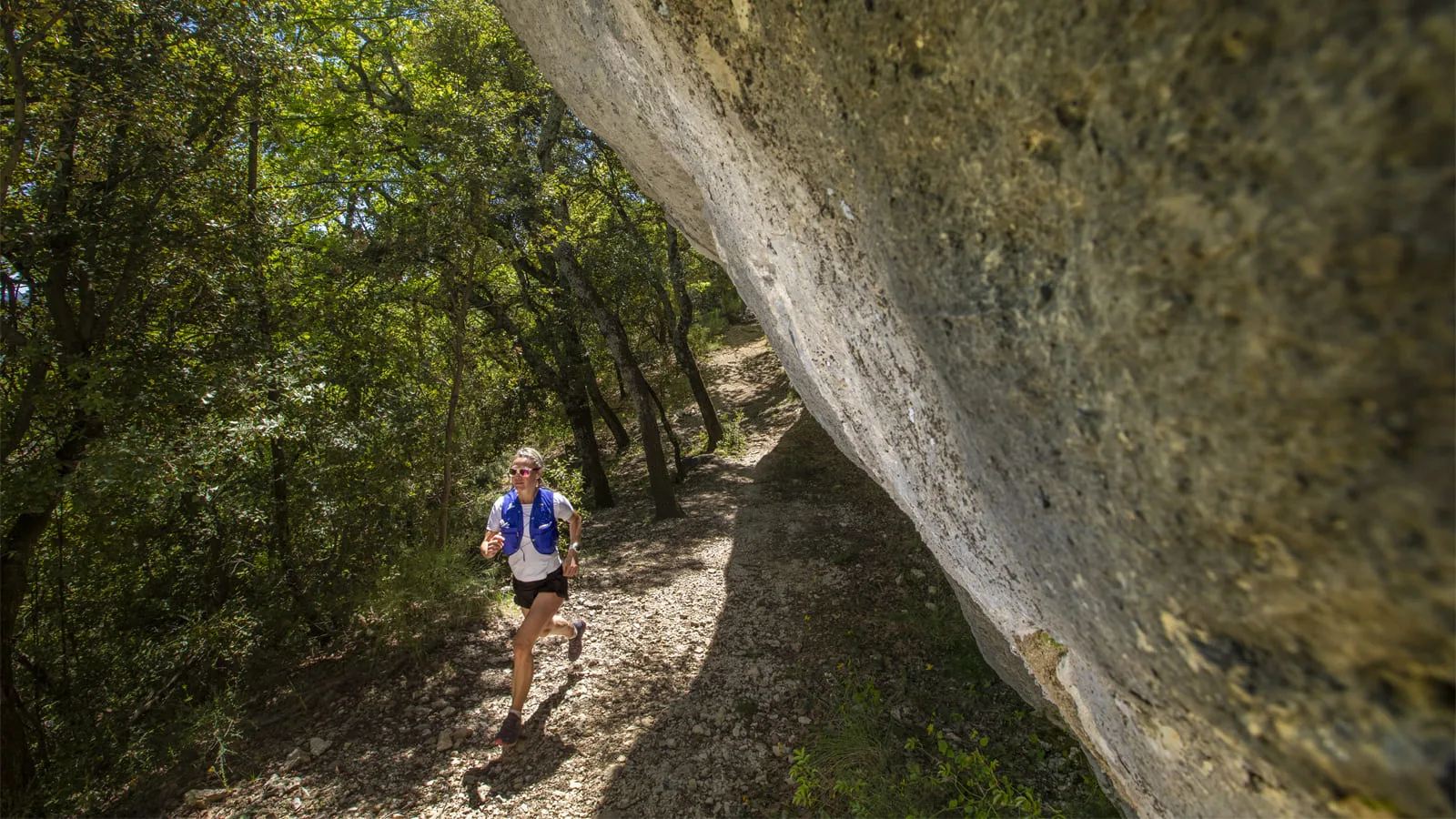

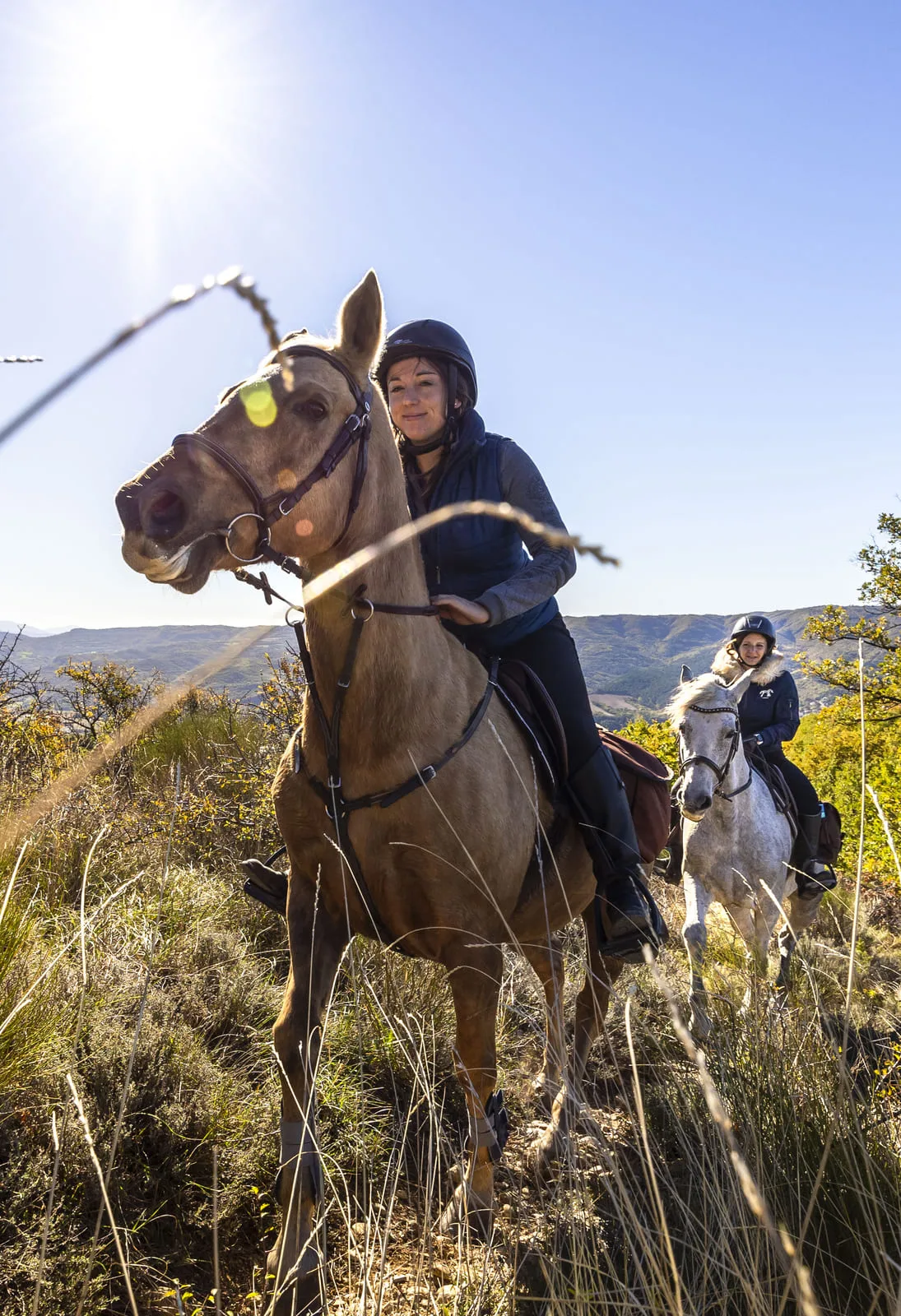

Faire le plein d'expériences
Plein les yeux
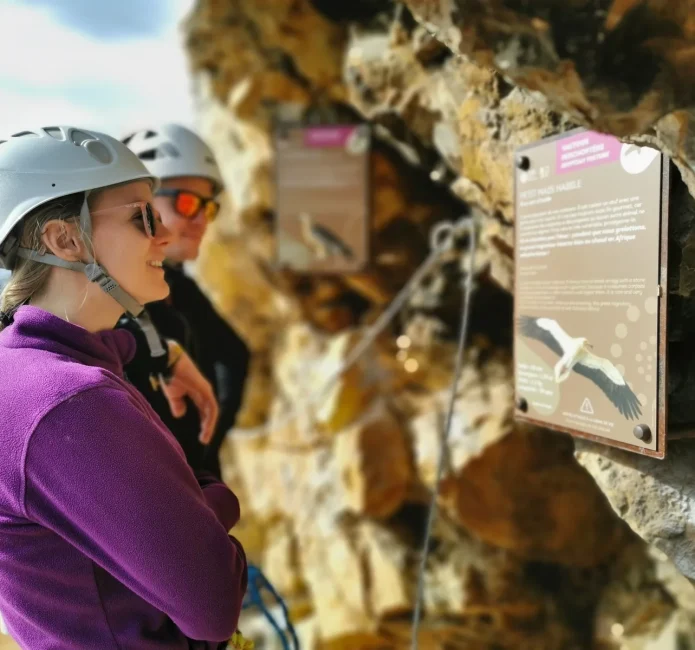
Via ferrata de Digne-les-Bains

Authentique
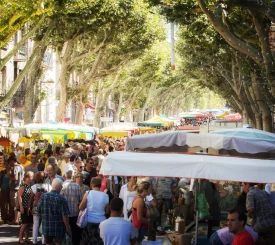
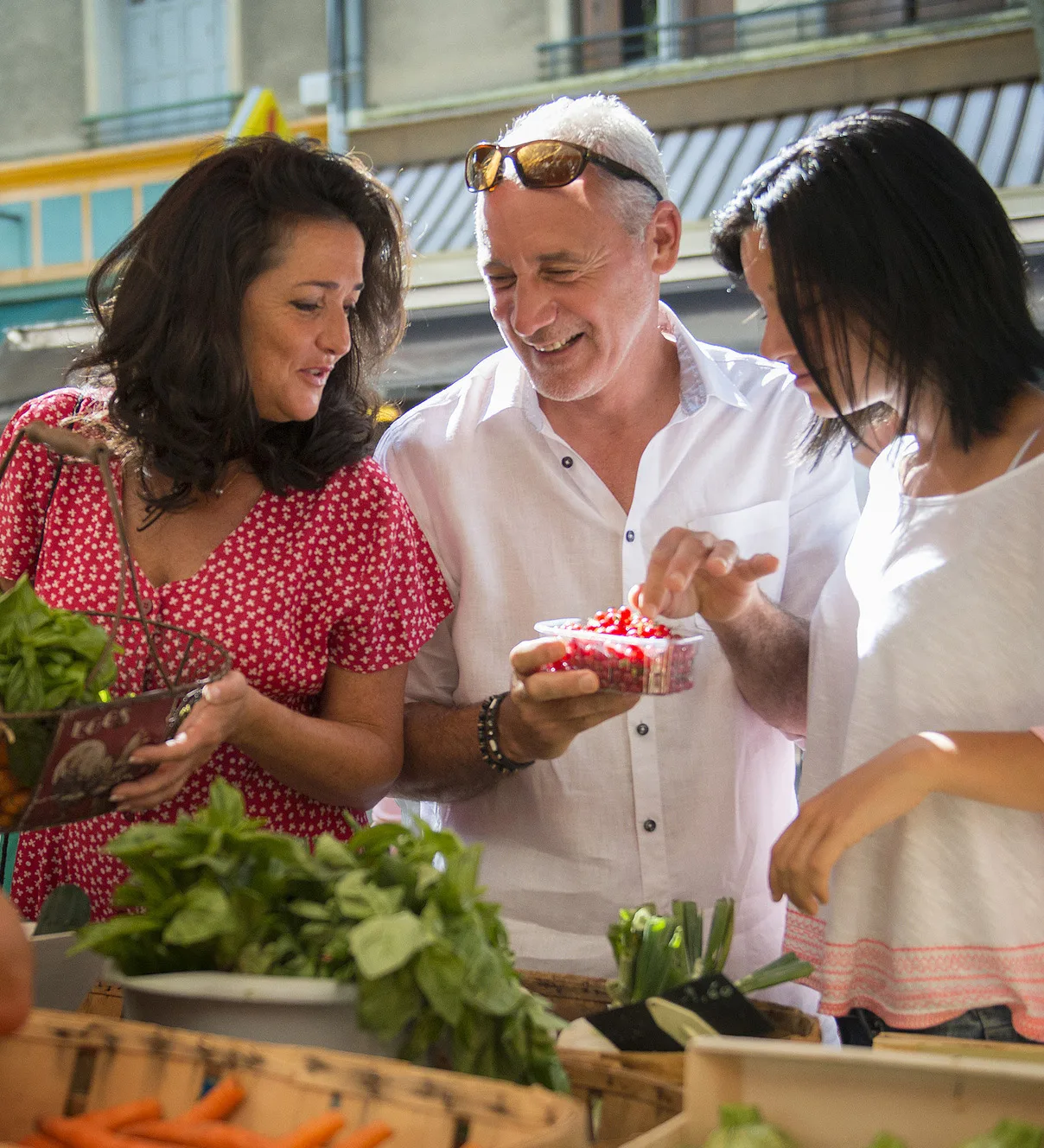
Le marché provençal de Digne-les-Bains
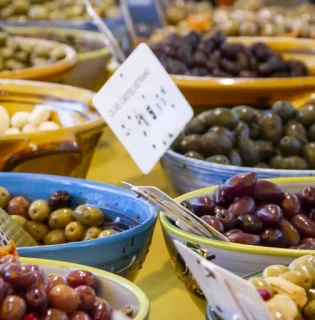
Authentique
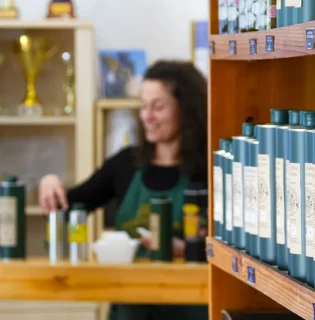
Musée de l’olivier

L'eau thermale Bien-être
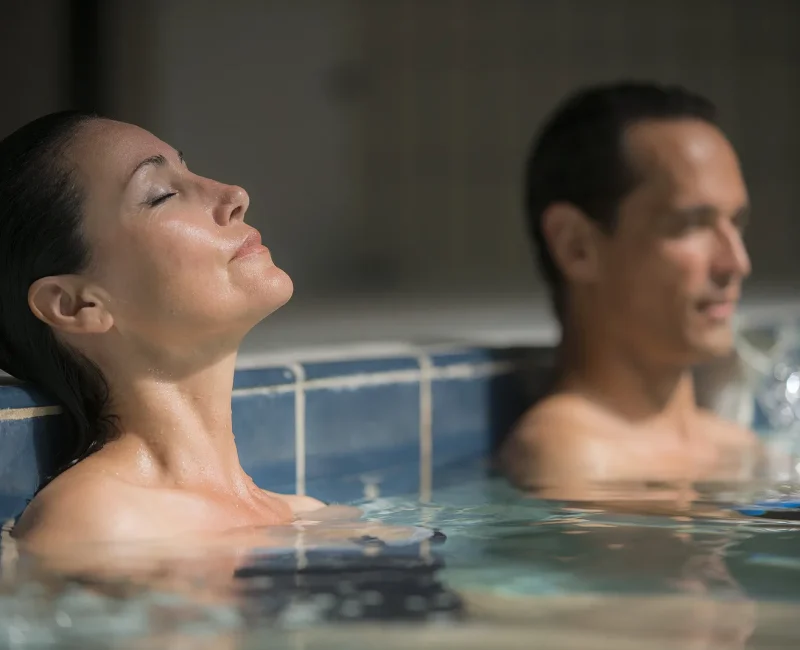
L'établissement thermal de Digne-les-Bains, situé au cœur de la Haute Provence, offre une expérience revitalisante et apaisante. Bénéficiez des bienfaits de ses sources thermales et du spa, idéal pour se ressourcer dans un cadre naturel exceptionnel.
Temps forts & agenda
Toutes les idées de sorties sont dans nos pages évènements et agenda. Culture et expositions ? Sport et nature ? Marchés et brocantes ? Retrouvez ici toutes les fêtes et manifestations en Haute Provence

Passage de la flamme olympique en Haute-Provence !
Du samedi 11 mai au samedi 11 mai 2024
24
avr.
25
avr.